
Commercial Rodent Control in Denver, CO
720-967-APEX
Rodent problems in commercial buildings are not something to ignore. Mice and rats can contaminate food, damage inventory, chew wiring, leave droppings in sensitive areas, and create serious issues for tenants, employees, customers, and inspections. At Apex Pest Management, we provide commercial rodent control in Denver with a practical, inspection-first approach focused on identifying activity, locating entry points, and building a control plan that addresses the source of the problem.
We work with restaurants, warehouses, apartment communities, offices, retail buildings, and other commercial properties throughout the Denver area. Our goal is not just to place traps and leave. We help clients understand what was found, why it is happening, what was done, and what needs to change to reduce the risk of continued rodent activity.
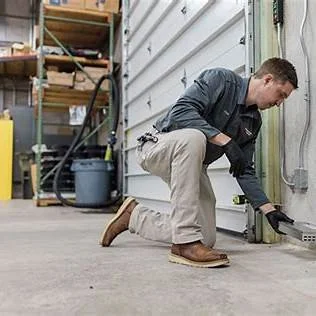
Rodent Control for Denver Businesses
Commercial rodent issues usually do not start with the rodent you see. They start with conditions that allow mice or rats to stay active around the structure long enough to move in.
In Denver commercial properties, common contributors include:
dock door gaps
worn door sweeps
utility penetrations
cluttered storage areas
poor sanitation around food or trash areas
openings around foundations or exterior wall lines
landscape and harborage conditions near the building
A successful rodent program starts with finding those conditions early and addressing them with a targeted plan.
Commercial Properties We Service in Denver
We provide commercial rodent control for a wide range of properties, including:
Restaurants and Food Service
Rodent activity in food service environments can quickly become a major issue. We help restaurants identify activity, target hot spots, and improve conditions that support recurring problems.
Warehouses and Industrial Buildings
Large buildings with dock doors, storage areas, palletized goods, and structural gaps often give rodents easy access and cover. We help warehouses build practical rodent monitoring and control programs.
Apartment Communities and Multi-Unit Properties
Rodent issues in multi-unit settings can spread quickly if common areas, utility penetrations, trash areas, and tenant-related conditions are not addressed early.
Offices and Retail Spaces
Even lower-risk commercial buildings can experience rodent pressure through break rooms, stock rooms, ceilings, shared walls, and rear entry points.
Why Commercial Rodent Problems Need More Than Just Traps
A lot of rodent problems continue because the response is incomplete.
Setting a few traps without identifying how rodents are getting in or what is supporting them usually leads to recurring activity. Long-term control depends on a combination of:
inspection
strategic trapping
monitoring
sanitation awareness
exclusion improvements
ongoing service when needed
That is especially important in commercial settings where the cost of ignoring a rodent issue can be much higher than the cost of fixing it properly.
Request a Commercial Rodent Inspection
If you need commercial rodent control in Denver, Apex Pest Management can help. We inspect the problem, identify likely entry points and contributing conditions, and build a targeted plan based on the property and the level of activity.
Request a walkthrough today to get ahead of rodent activity before it gets worse.

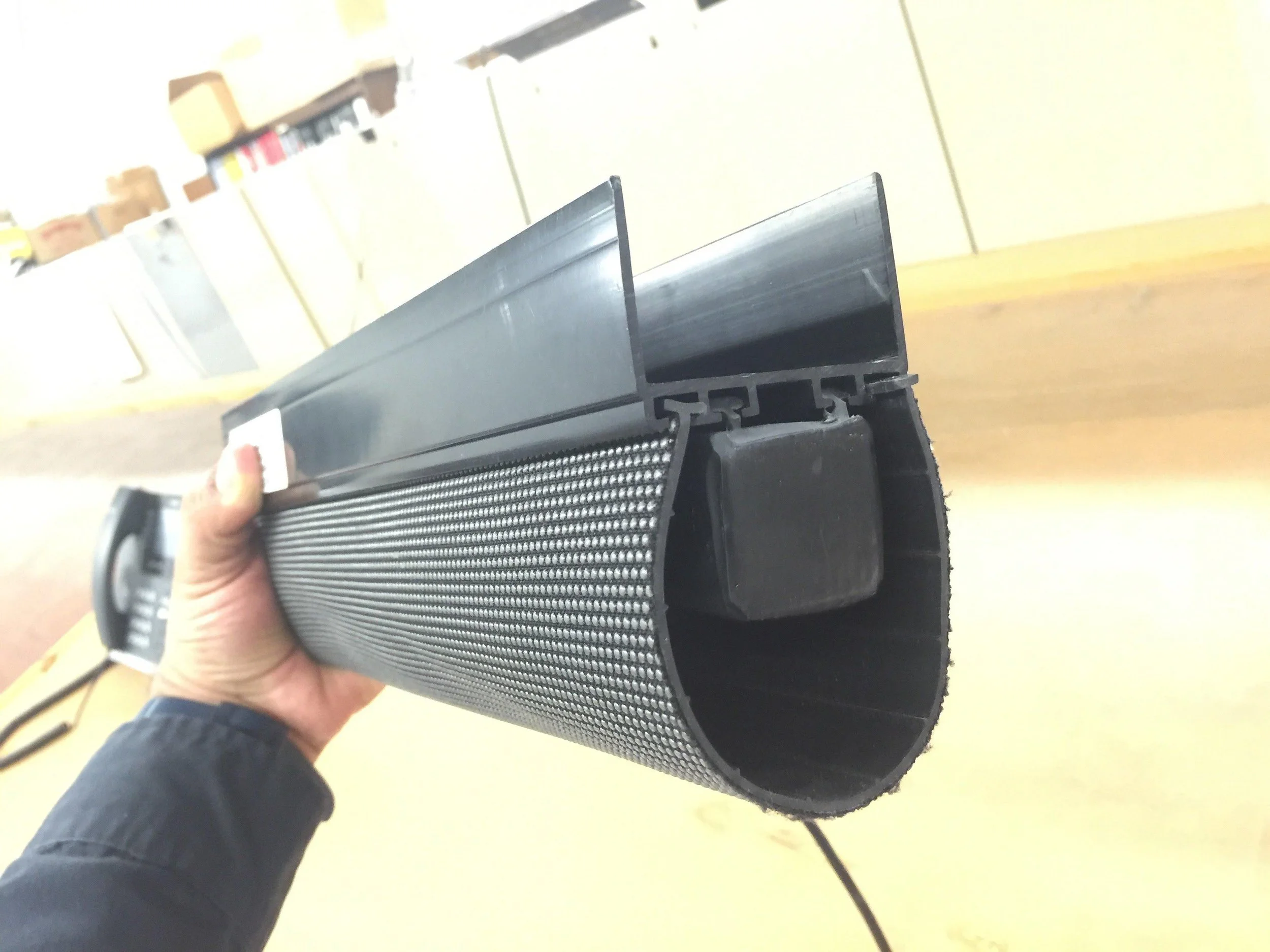
Signs of Rodent Activity in Commercial Buildings
Rodent activity is not always obvious at first. In many commercial properties, the earliest signs show up before anyone actually sees a mouse or rat.
Common signs include:
droppings in storage areas, utility rooms, break rooms, or behind equipment
scratching sounds in walls or ceilings
gnaw marks on materials, packaging, or wiring
rub marks along travel routes
nesting material in hidden areas
repeated sightings near back doors, kitchens, garages, or receiving areas
trap activity increasing during cold weather or seasonal changes
If rodent activity is showing up during business hours, the problem is usually already established enough to justify a thorough inspection.
Why Choose Apex Pest Management
Apex Pest Management is a local company serving Denver businesses with a straightforward, detail-focused approach. We understand that commercial clients need more than a generic spray-and-go service. They need clear communication, reliable follow-up, and practical solutions that make sense for the property.
We focus on:
inspection-driven service
targeted rodent control
commercial-friendly communication
practical recommendations
ongoing monitoring when needed
service built around real property conditions, not guesswork
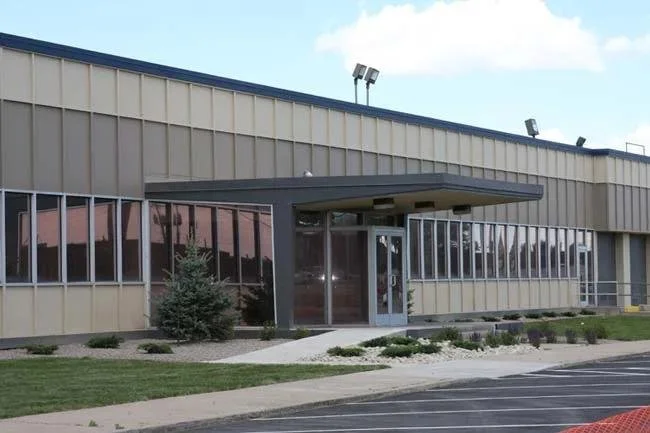
Serving Denver, CO
We provide commercial rodent control services in Denver and surrounding areas. If your building is dealing with rodent activity, fresh droppings, repeat sightings, or signs of mice or rats near entry points, it is better to address the issue before it spreads further or becomes harder to control.
Frequently Asked Questions
What are the signs of rodent activity in a commercial building?
Common signs include droppings, gnaw marks, scratching sounds in walls or ceilings, nesting material, grease rub marks along travel routes, and repeated rodent sightings near kitchens, storage rooms, utility areas, dock doors, or trash enclosures.
What types of commercial properties do you service for rodent control in Denver?
Apex Pest Management works with restaurants, warehouses, office buildings, retail spaces, apartment communities, property management groups, and other commercial facilities throughout Denver.
Do you treat both mice and rats?
Yes. Commercial rodent control programs are designed to address both mice and rats depending on the type of activity, building layout, and conditions contributing to the problem.
How do rodents get into commercial buildings?
Rodents often enter through door gaps, damaged door sweeps, dock doors, pipe penetrations, wall openings, roofline gaps, utility entry points, and other structural openings. Even small gaps can be enough for mice to get inside.
Is commercial rodent control just setting traps?
No. Effective rodent control involves more than placing traps. It should include a detailed inspection, identification of entry points, evaluation of conducive conditions, strategic device placement, monitoring, and recommendations for exclusion and sanitation improvements.
How often should commercial rodent service be done?
That depends on the level of activity, the type of business, and the risk factors on the property. Some accounts need intensive follow-up at first, while others benefit from ongoing monthly or recurring monitoring service.
Can you help identify where rodents are getting in?
Yes. A major part of commercial rodent control is identifying likely entry points and conditions that are allowing rodents to access the structure.
What areas of the building do you inspect?
Inspections may include kitchens, storage rooms, utility rooms, garages, receiving areas, dock doors, exterior perimeters, trash enclosures, and other areas where rodent activity or access is likely.
Why do rodent problems get worse during cold weather?
When outdoor temperatures drop, mice and rats often move closer to buildings in search of warmth, food, and shelter. Sudden weather changes can make existing rodent pressure more noticeable.
Do you provide rodent control for restaurants in Denver?
Yes. We provide commercial rodent control for restaurants and other food service businesses, with attention to activity areas, sanitation-related conditions, and structural vulnerabilities.
Do you provide rodent control for warehouses and industrial properties?
Yes. Warehouses and industrial properties often have elevated rodent pressure because of dock doors, pallet storage, cluttered areas, and structural gaps. We help identify activity and build a targeted control plan.
What should I do if I see rodent droppings in my building?
Fresh droppings usually mean active rodent movement nearby. The best next step is to have the property inspected so the source of activity, likely entry points, and best control strategy can be identified.
Can rodent activity damage a commercial property?
Yes. Rodents can contaminate stored products, damage packaging, chew wiring, create sanitation concerns, and increase liability for businesses if the issue is not handled early.
Do you offer ongoing commercial rodent monitoring?
Yes. Ongoing monitoring can be part of a commercial rodent control program, especially for businesses that need continued oversight and early detection of new activity.
Why choose Apex Pest Management for commercial rodent control in Denver?
Apex Pest Management provides inspection-driven commercial rodent control with a focus on identifying the source of activity, targeting problem areas, and giving clients clear recommendations for long-term control.
Our Commercial Rodent Control Process
At Apex Pest Management, our rodent control service is built around inspection, targeted placement, and follow-through.
1. Inspection
We inspect the structure for signs of rodent activity, likely travel routes, and conditions that may be contributing to the issue. This includes interior and exterior review of likely pressure points depending on the property type.
2. Identification of Entry Points and Conducive Conditions
Rodent control is not just about catching what is already inside. We look for the openings and conditions that made the activity possible in the first place. That may include garage door gaps, missing sweeps, unsealed penetrations, clutter, vegetation contact, or sanitation issues.
3. Targeted Trap and Device Placement
Devices are placed in strategic locations based on evidence, layout, and activity patterns. Placement is never random. We focus on where rodents are actually traveling and where monitoring will be most effective.
4. Monitoring and Follow-Up
Rodent work requires follow-up. We check activity, service devices, adjust placements if needed, and track what is changing over time.
5. Clear Recommendations
We provide practical recommendations to help reduce future activity. Depending on the account, that may include exclusion recommendations, sanitation corrections, storage improvements, or structural repairs that should be addressed by the property owner or manager.