Late April Snow in Denver and Aurora Sent Mice Running Indoors
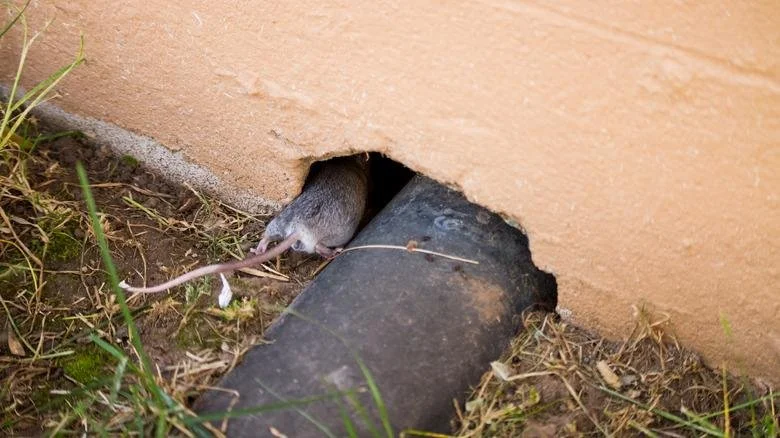
A rodent entering a building along pipe chase
A late cold snap and snow this past weekend brought a noticeable shift in rodent activity across the Denver and Aurora area. After a stretch of warmer spring weather, the sudden drop back into freezing overnight temperatures created the kind of conditions that often push mice closer to homes and commercial buildings. Denver was under a Freeze Warning on April 17, 2026, and the National Weather Service forecast for Denver showed nighttime lows around the upper 20s to low 30s with snow showers in the metro.
At Apex Pest Management, we saw the result firsthand: more rodent-related concerns, more fresh activity, and more situations where mice were taking advantage of small openings to get inside.
What happened
This kind of weather swing can make rodent problems show up fast.
When conditions are mild, mice may stay more active outside around foundations, landscaping, sheds, garages, alleyways, dumpster areas, and exterior voids. But when a cold weekend hits late in the season, especially after spring has already started warming up, those same mice start looking for stable shelter, warmth, and food sources. Buildings suddenly become much more attractive.
That is when property owners start noticing the signs:
scratching in walls or ceilings
droppings in garages, basements, utility rooms, or storage areas
activity near food storage
movement around dock doors, back doors, and mechanical penetrations
traps that were previously quiet suddenly showing action
In many cases, the weather did not create the rodent problem from nothing. It exposed an issue that was already nearby.
Why it happens
Mice are opportunistic. They do not need a large opening, and they do not need much encouragement.
A sharp return to cold weather changes their behavior quickly. Instead of staying dispersed around exterior harborage areas, they begin pushing inward toward structures that offer three things:
Warmth
Walls, attics, basements, mechanical rooms, garages, and utility spaces hold more stable temperatures than the outdoors.
Food
Even small amounts of accessible food can attract mice. Pet food, dry goods, grease residue, crumbs, trash areas, and storage clutter all help support activity.
Shelter
Rodents want protected travel routes and nesting areas. Cluttered rooms, stacked storage, wall voids, insulation, and hidden corners make buildings ideal once they get inside.
This is why late snow and freezing nights often lead to a noticeable uptick in calls. The weather pressures mice to move, and any structure with easy access points becomes part of that movement.

Why late spring snow can make existing problems more obvious
One of the biggest mistakes people make is assuming a sudden sighting means mice just appeared overnight.
Usually, that is not the case.
Often, the mice were already living around the structure or testing entry points before the storm. The colder weather simply increased the pressure. Once conditions outside became less favorable, the rodent activity became easier to notice indoors.
That is especially common in:
older homes
restaurants
warehouses
apartment buildings
commercial properties with multiple access points
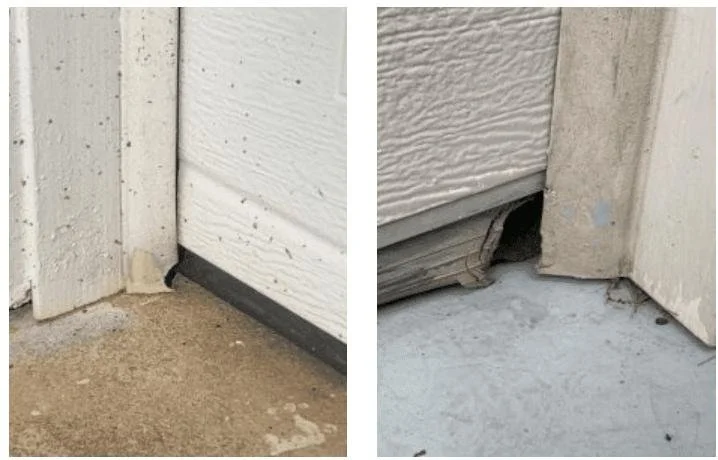
buildings with garage door gaps or worn door sweeps
facilities with storage clutter or unsealed utility penetrations
So when mice suddenly “show up” during a cold weekend, it is often a sign that the building already had vulnerabilities.
What people should inspect now
If you noticed rodent activity after this recent cold weekend in Denver or Aurora, these are the first places to inspect.
1. Garage door seals
Garage doors are one of the most common weak points. Check for light showing underneath the bottom seal or along the sides.
2. Door sweeps and exterior doors
Back doors, side doors, and service doors often develop gaps over time. Even a small opening can be enough.
3. Utility penetrations
Look around where pipes, conduit, cable lines, and utility lines enter the building. These gaps are common rodent entry points.
4. Foundation and siding gaps
Inspect where foundation lines meet siding, trim, or masonry transitions. Mice often follow structure lines and enter through overlooked cracks or openings.
5. Storage and clutter
Garages, basements, utility rooms, and stock areas give rodents hiding places. Clutter also makes it harder to spot droppings and travel pathways early.
6. Food and trash areas
In both homes and commercial buildings, accessible food is a major driver. Check dry goods, pet food, trash storage, grease buildup, and food debris.
7. Dock doors and commercial receiving areas
For commercial accounts, this is a major one. Dock plates, door tracks, side gaps, and worn seals are common trouble spots, especially during weather swings.
What to do if you are seeing signs now
If you are finding fresh droppings, hearing activity, or noticing movement indoors, the goal is not just to set a few traps and hope for the best.
Rodent control works best when it includes:
identifying where activity is happening
locating likely entry points
reducing food and harborage conditions
placing traps in targeted locations
monitoring and adjusting based on results
The sooner the issue is addressed, the better. Rodent problems tend to grow when mice find warmth, cover, and consistent access inside.
Local rodent control in Denver and Aurora
This weekend’s late snow was a good reminder that rodent pressure does not disappear just because spring has started. In fact, sudden weather swings can make hidden problems much more obvious.
At Apex Pest Management, we help homeowners and commercial properties in Denver and Aurora identify rodent entry points, target activity areas, and put together practical control plans that address the source of the problem.
If mice started showing up after this cold weekend, now is the time to inspect the structure and get ahead of it before activity gets worse.